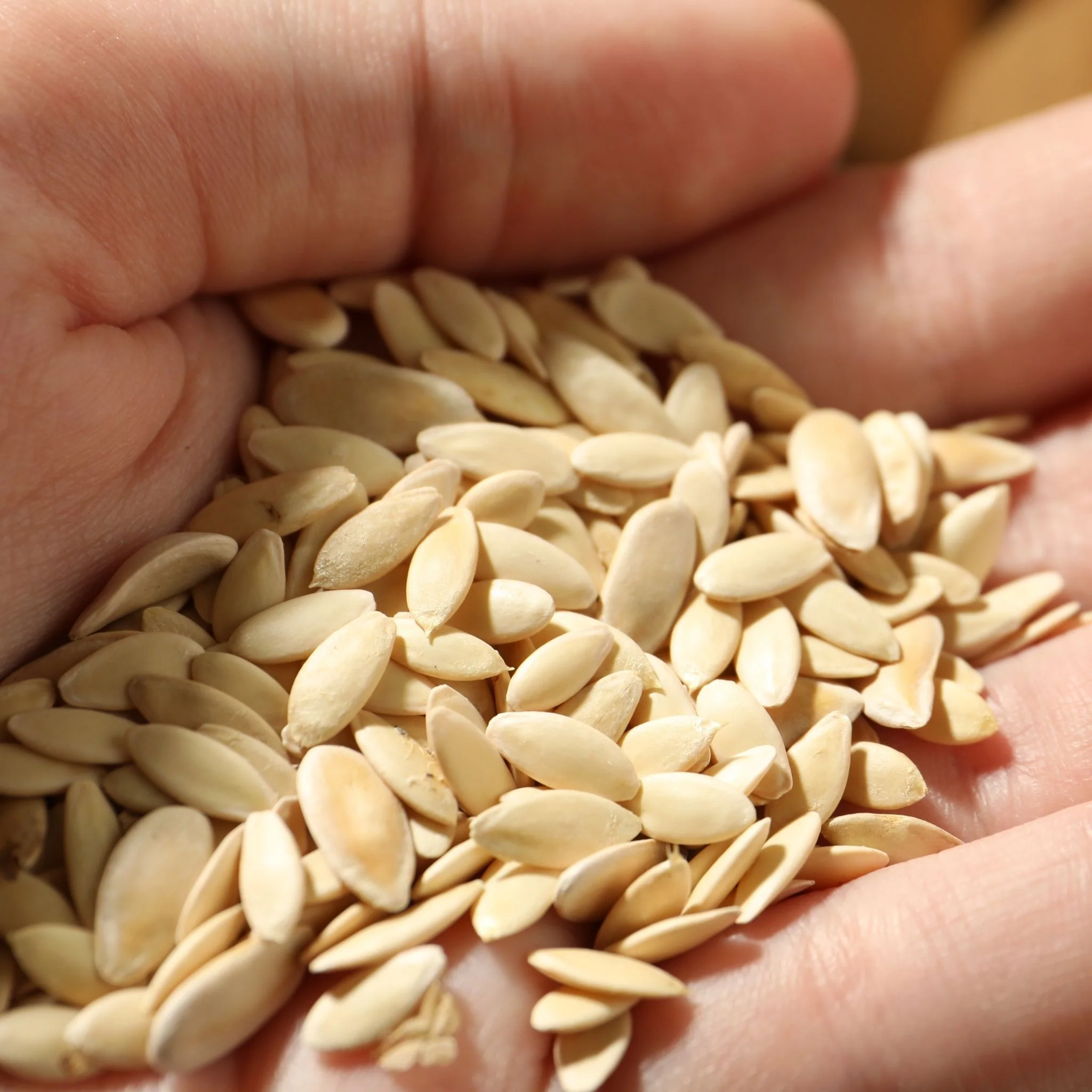
Watermelon seeds are nutritious edible seeds that provide plant-based protein, healthy fats, magnesium, iron, zinc, and other essential nutrients. They can be enjoyed as part of a balanced diet.✅ 8 Genuine Health Benefits of Watermelon SeedsSupports muscle health – Provides protein, which helps build and maintain muscles.Supports heart health – Contains unsaturated fats that can contribute to a heart-healthy diet.Supports bone health – Provides minerals such as magnesium and phosphorus.Helps support energy production – Contains magnesium, which plays a role in energy metabolism.Supports immune function – Provides zinc, which is important for normal immune function.Supports healthy blood formation – Contains iron, which the body needs to produce hemoglobin.Supports normal nerve function – Provides magnesium, which is important for nerves and muscles.Adds nutritional value to your diet – Provides protein, fats, and minerals in a convenient snack.???? How to Eat Watermelon SeedsRoast the seeds and eat them as a snack.Add them to salads, oatmeal, or homemade trail mix.Use shelled watermelon seed kernels in smoothies.Choose unsalted varieties to help limit sodium intake.
Watermelon Seeds – Natural Nutrition in Every SeedEnjoy the natural goodness of watermelon seeds, a nutritious edible seed containing plant-based protein, healthy fats, magnesium, iron, zinc, and other essential nutrients.Key Benefits:Natural source of plant-based proteinContains healthy unsaturated fatsProvides essential mineralsSupports normal muscle and nerve functionA versatile addition to a balanced dietHow to Use: Enjoy roasted watermelon seeds as a snack or add shelled kernels to salads, smoothies, and other recipes.Storage: Store in an airtight container in a cool, dry place to maintain freshness.Note: Nutritional content varies depending on the variety and preparation. Watermelon seeds are a nutritious food, not a medicine, and they do not guarantee the prevention or treatment of any disease.
Price
 403 Forbidden